Challenge
Meet Denmark’s new CO₂ documentation requirements for new homes - without slowing down delivery or limiting the choices that define an ide-huse home.
Solution
Real-Time LCA brings climate calculations into the design process, so an LCA can be run as early as the sketch phase rather than bolted on at the end.
Result
Much faster LCA calculations, compliance handled early in design, and a way of working within the requirements that still lets customers build a genuine ide-huse home.
For ide-huse, one of Mid-Jutland’s established single-family house builders, Denmark’s new climate requirements raised a real question: would documenting every home’s carbon footprint mean steering customers away from the choices they came for?
With Real-Time LCA, the team runs an LCA as early as the sketch phase - early enough to work within the requirements and still deliver a home that is unmistakably an ide-huse home.
New rules, and a question about freedom of choice
When Denmark’s climate requirements for new residential construction took effect, every new single-family home had to come with documentation of its carbon footprint. For a builder like ide-huse - building homes for families across Jutland since 1975 - the practical worry was not the paperwork itself, but what it might mean for customers. Would the requirements force people away from the materials and house types they actually wanted?
What the team has found is that meeting the requirements and building a real ide-huse home are not at odds. Compliance is taken seriously, and every requirement is met - but working through the documentation has shown how much room there still is. Customers make their choices, the house stays the house they wanted, and the carbon footprint gets documented alongside it.
It matters a great deal to us, and we comply with all the requirements. That said, we’ve been pleasantly surprised by how much room there still is with manufacturers also improving the climate impact of the materials we build with - meaning that our customers can still get the home they dreamed of. - Klaus Munkholm, Arkitekt, ide-huse
Speed, speed, speed - LCA from the sketch phase
The clearest change for ide-huse has been time. With Real-Time LCA, running an LCA calculation is no longer a slow, specialist task saved for the end of a project. It happens early - while the house is still taking shape on the drawing board.
Bringing the carbon calculation forward into the sketch phase changes what it is good for. Instead of confirming a number after the design is locked, the team can see the climate footprint while options are still open, when adjustments cost nothing and decisions are easiest to make.
Speed, speed, speed. Running an LCA calculation has become much faster - and we now do it as early as the sketch phase. - Klaus Munkholm, Arkitekt, ide-huse
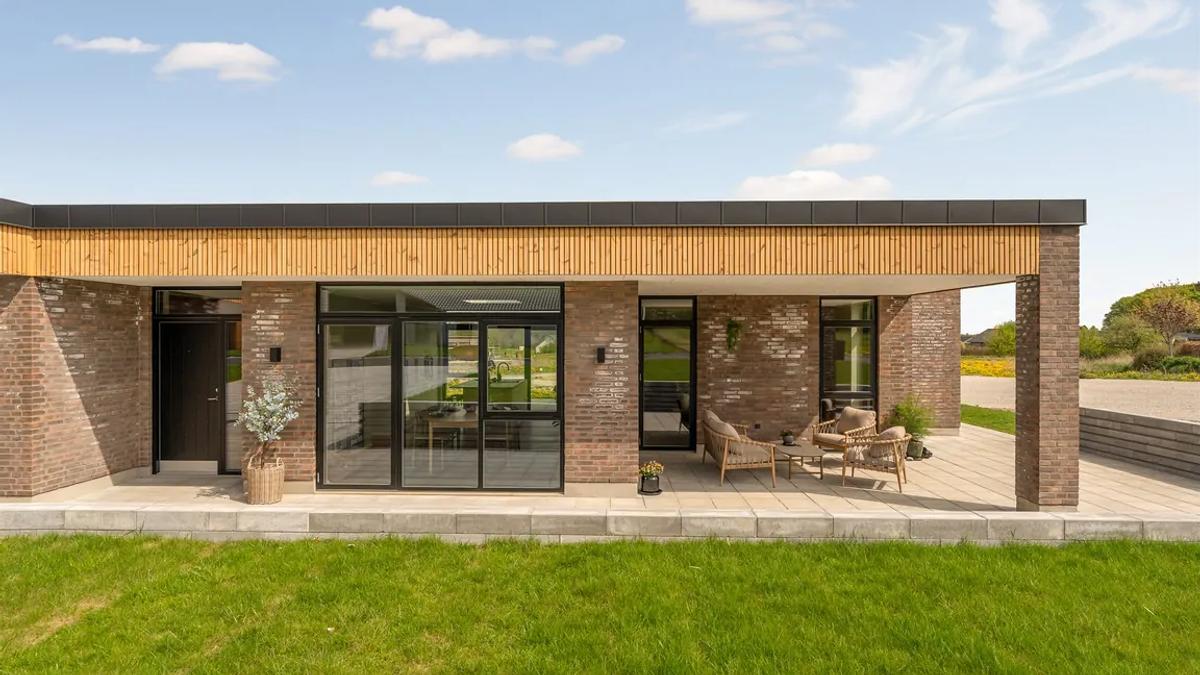
Built for single-family homes
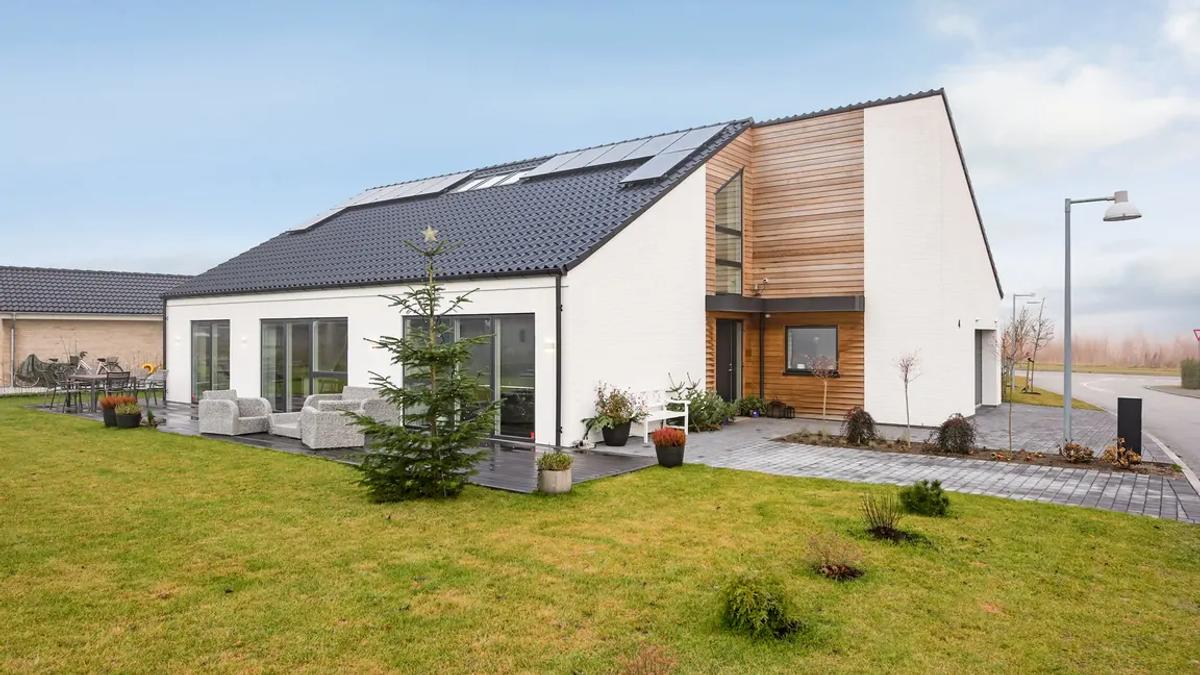
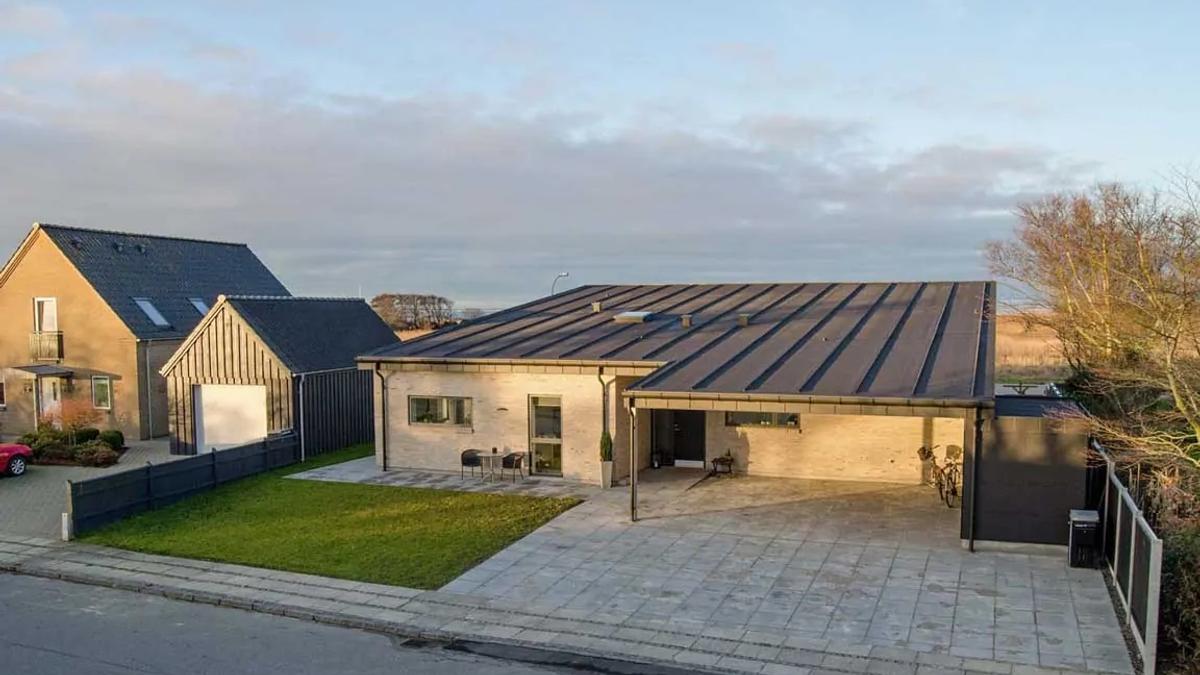
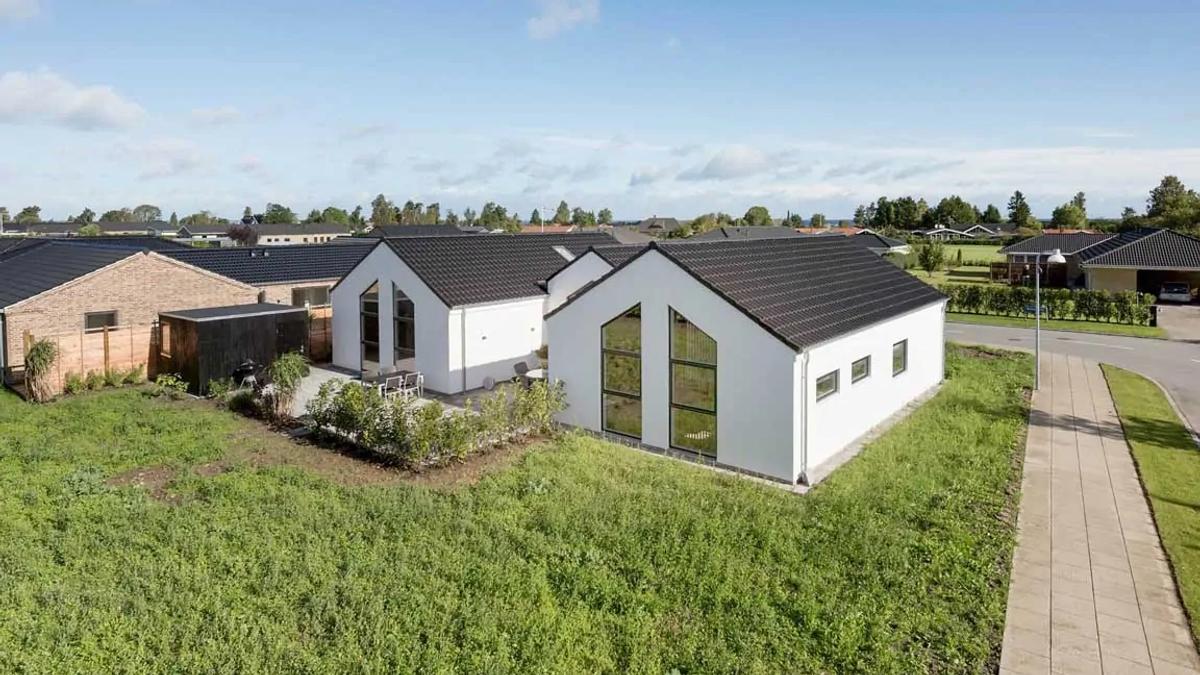
Part of why the transition has felt manageable is the nature of what ide-huse builds. The firm builds single-family homes - not glass-fronted façades or pure steel structures, the kinds of designs that can make a carbon calculation more complex. That focus keeps both the buildings and the documentation grounded in the materials and methods the firm knows well.
The result is a way of working where climate documentation fits the build rather than reshaping it. Customers still get the home they came to ide-huse for, the requirements are met early and without complexity, and the firm has the data it needs at the point it is most useful.
Key outcomes
- LCA calculations run much faster than before - fast enough to happen routinely.
- Climate calculations move to the sketch phase, where design choices are still open and easiest to adjust.
- Full compliance with Denmark’s CO₂ documentation requirements for new homes.
- Customers keep the choices that make a house their own - ide-huse still delivers a genuine ide-huse home within the requirements.
- Climate documentation fits ide-huse’s single-family build model rather than forcing changes to it.